

Interior design usually prioritizes the aesthetic elements of a space—illumination, furniture, and color palettes. But, the mood of a house is similarly identified by invisible factors. Scent is arguably the most strong software for setting a temper, because the olfactory system is straight sent to the brain's limbic process, which operations sensation and memory. A welcoming atmosphere is not merely seen; it's inhaled.

Employing a Velas strategy is about more than masking odors; it is about curating an experience. Under, we address the most frequent issues regarding home perfume, analyzing the useful variations between diffusion techniques and the emotional affect of particular notes.
Why is scent regarded a vital part of interior design?
Research in to physical understanding shows that scent is the only real sense that bypasses the thalamus and moves straight to the brain's mental center. This implies a guest's psychological a reaction to a home is induced very nearly instantly upon entering.
A pleasing, well-chosen fragrance signs cleanliness and attention, lowering pressure levels for people and readers alike. However, a stagnant or simple atmosphere can feel sterile. By intentionally layering aroma, homeowners can manipulate the perception of place, making small areas experience airier with fresh records or large areas feel cozier with warm, woody notes.
What're the most truly effective scents for certain rooms?
Aroma functions as a practical divider in open-concept living. Using different aroma profiles for different areas helps establish the goal of that area.
• The Entry: This is actually the "handshake" of the home. Complicated, woody, or flowered scents perform best here to produce a statement. Records like sandalwood, forest, or jasmine develop an immediate sense of birth and sophistication.
• The Home: That space gift suggestions a distinctive challenge as a result of competitive food aromas. Avoid special or floral scents that may clash with cooking. Instead, opt for "gourmand" or new acid notes. Fruit, basil, thyme, and green apple cut through fat smells and smell clear without contradictory with a meal.
• The Residing Room: This can be a communal place made for relaxation and conversation. Warm, comforting notes are statistically preferred here. Vanilla, designer, and cashmere produce a backdrop that's attractive however, not distracting.
• The Room: The primary purpose listed here is rest. Studies regularly indicate jasmine, chamomile, and bergamot as good to rest hygiene. These scents are shown to lower heart costs and promote relaxation.
Which diffusion method offers the very best endurance?
The marketplace offers different delivery techniques, each with various efficiency charges regarding "throw" (how much the odor travels) and longevity.
• Reed Diffusers: These give a constant, low-maintenance background scent. They're suitable for entryways or bathrooms wherever a steady, simple aroma is needed 24/7. They don't require heat or energy, creating them a safe, passive option.
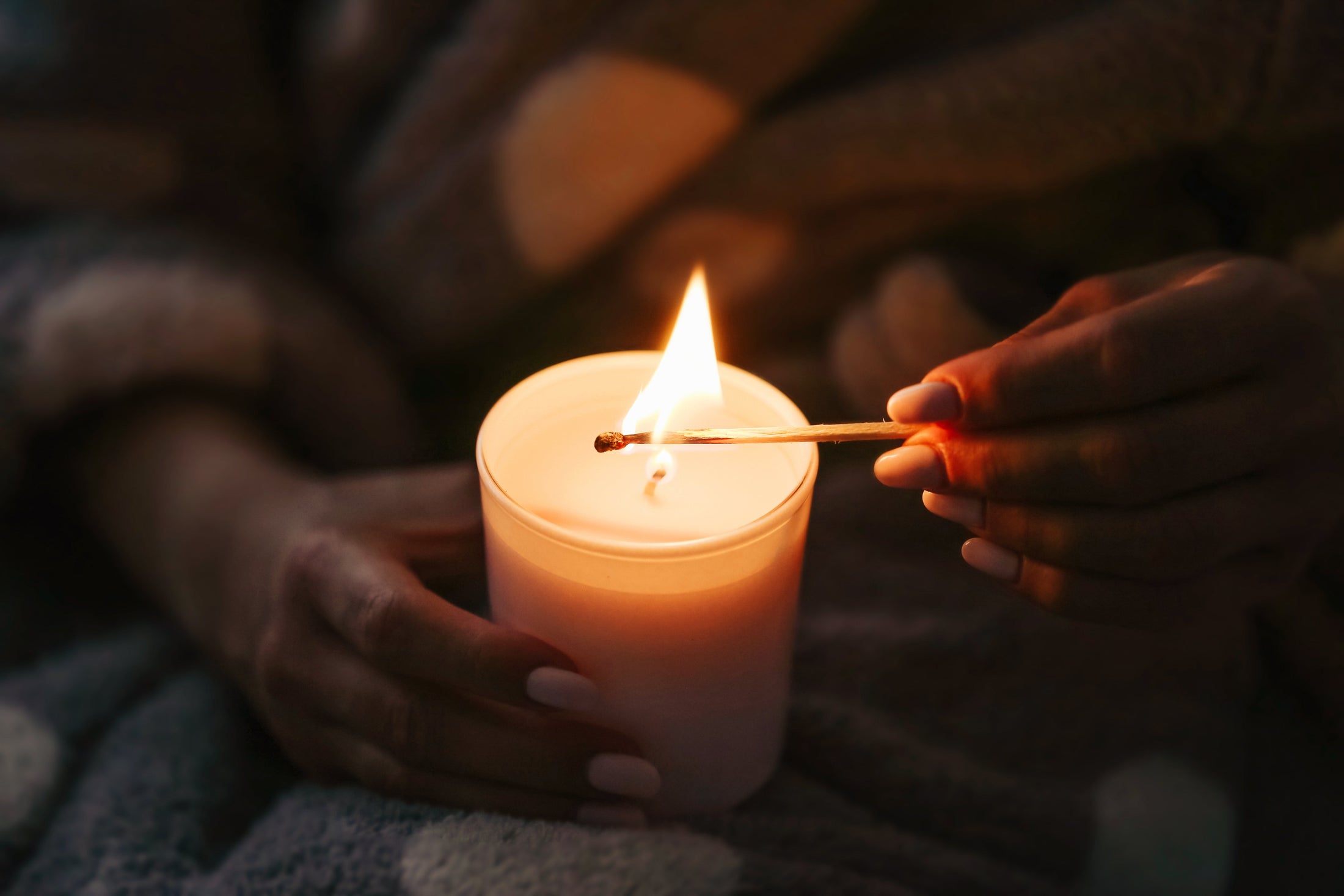
• Fragrant Candles: Candles present high-intensity perfume discharge but just while burning. They give the added good thing about mood through light. They are most useful applied for certain activities or evening pleasure in which a solid "warm throw" is preferred for a few hours.
• Ultrasonic Diffusers: These units use water and important oils to produce a great mist. They give the most modification, letting people to control the strength and length of the scent. They're exceptional for adjusting the temper of an area quickly.
• Room Sprays: These offer immediate gratification but have the shortest lifespan. They're tactical tools, most useful applied to freshen up materials or quickly neutralize a stench before guests arrive.
How do one avoid "nose blindness" or overriding visitors?
Olfactory weakness, or "nose blindness," occurs each time a person becomes desensitized to a continuing smell. This brings homeowners to overuse aroma, which is often overwhelming for guests.
To keep up a healthy environment, switch fragrances seasonally. Change from heavier herbs and woods in winter months to lighter florals and linens in the spring. Moreover, placement is key. Position diffusers in areas with good airflow to pass the odor, but avoid placing them immediately next to seating places or dining platforms, wherever solid scents can become intrusive.
Curating your olfactory trademark
Selecting a property scent is a personal trip that mixes the technology of evaporation with the artwork of mood-setting. By understanding the distinct tasks of various fragrance people and distribution systems, you are able to guarantee your property leaves an enduring, positive impression on everyone who guides through the door.